Your firewall didn't let the attacker in. Someone did.
When we talk about cyber threats, it's easy to think of complex hacks or state-sponsored attacks. But the truth is much simpler, and more human. Most security breaches don't happen because of amazing new tech tricks. Instead, they start with something like a simple click, a misleading phone call, or just a moment of inattention.
The Verizon Data Breach Investigations Report (DBIR) shows that over 82% of breaches involve a human element. This isn't just a technology issue; it's definitely a people issue.
The Myth of the Technical Breach
For many years, the cybersecurity world has invested huge amounts in advanced tech. We've seen next-gen firewalls, smart detection tools (EDR), powerful Security Information and Event Management (SIEM) platforms, and popular zero-trust setups. Despite all this spending, breaches keep happening.
Why? Because the idea that technology alone can build an unbreakable defense is just not true. Imagine a clever phishing email getting past expensive security systems, simply because an employee didn't spot the trick. That's not a technical mistake, it's a failure in how the organization and its people operate.
Process Is the Real Attack Surface
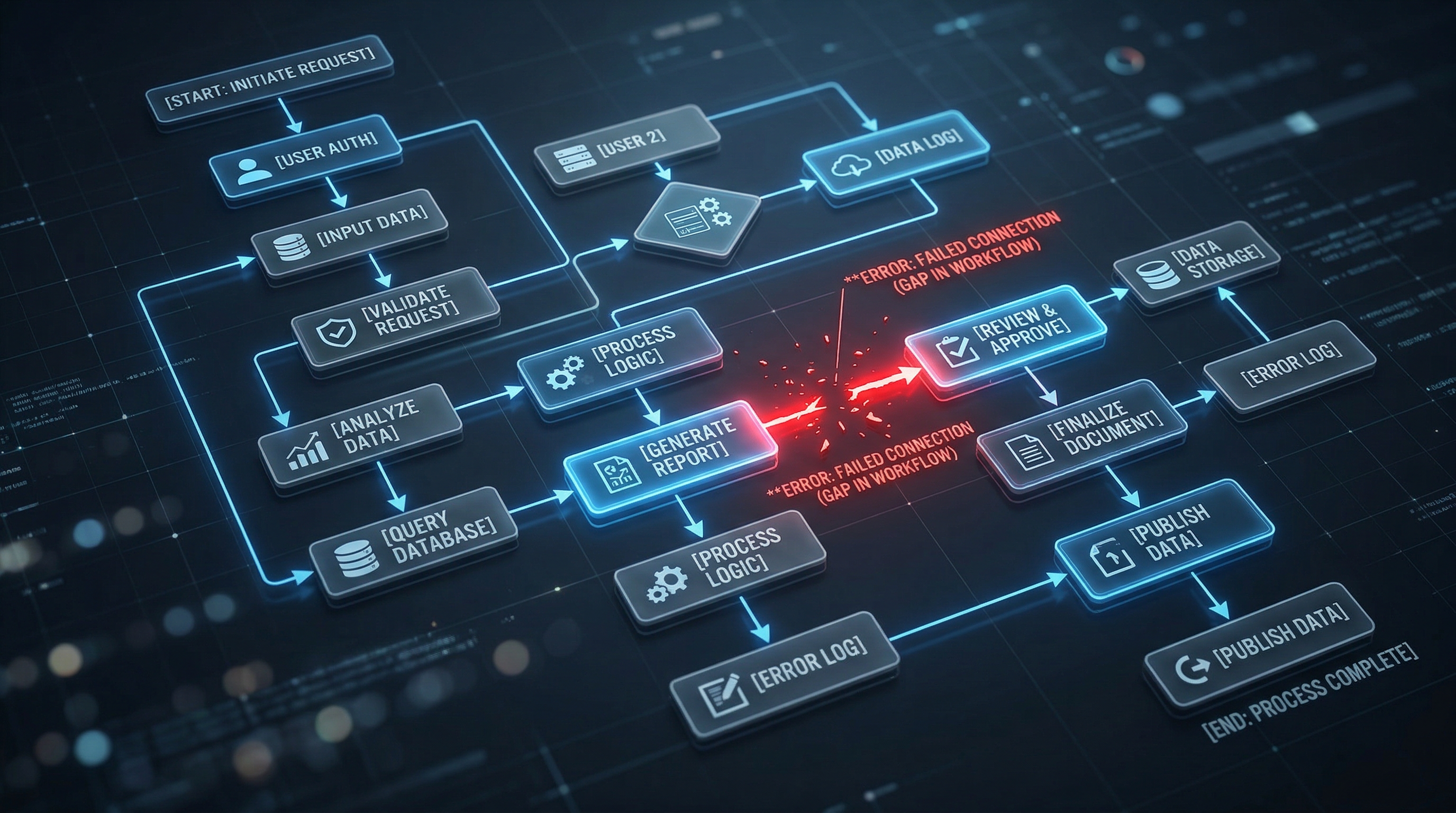
Attackers aren't just looking for software flaws. They are often looking for gaps in our daily procedures. Think about a weak onboarding process that gives new hires too much access. Or when former employees' accounts stay active for months because of a poor offboarding process.
Even approval systems can be tricked by social engineering. Incident response plans might look great on paper but are never really tested.
These aren't just IT problems, they are basic business issues that turn into big IT security incidents. Our company processes often create bigger, easier targets for attackers than any single piece of hardware or software.
Why Training Alone Isn't Enough
Standard, annual security awareness training often just checks a box, and it's frankly not very effective. While some basic knowledge is good, one session a year rarely changes how people actually behave. What we really need is ongoing reinforcement.
This means personalized training for different roles, regular fake phishing tests, and most importantly, a culture where employees feel safe reporting suspicious activity or admitting mistakes. The most secure companies know that cybersecurity is everyone's job. It needs to be part of every role and every decision, not just a checklist for the IT department.
What Good Looks Like
True cybersecurity strength isn't about how many fancy tools you have. It's about how deeply security is built into everyday operations.
You'll see it when the help desk carefully checks who is asking for a password reset. Or when leaders actively take part in realistic incident response drills.
It's a workplace where "if you see something, say something" isn't just a slogan. It's a real part of how things get done, backed up by clear communication and consistent actions. Going forward, our cybersecurity strategy needs to put the same effort and investment into the human side as it does into technology.
With new threats like AI-powered social engineering getting smarter, protecting the human element is no longer optional. It's absolutely vital. The strongest link in your security chain is always the human one. Make sure it stays strong.
Bottom Line
The strongest cybersecurity strategy isn’t built on technology alone. It’s built on disciplined processes and people who understand their role in protecting the organization.